
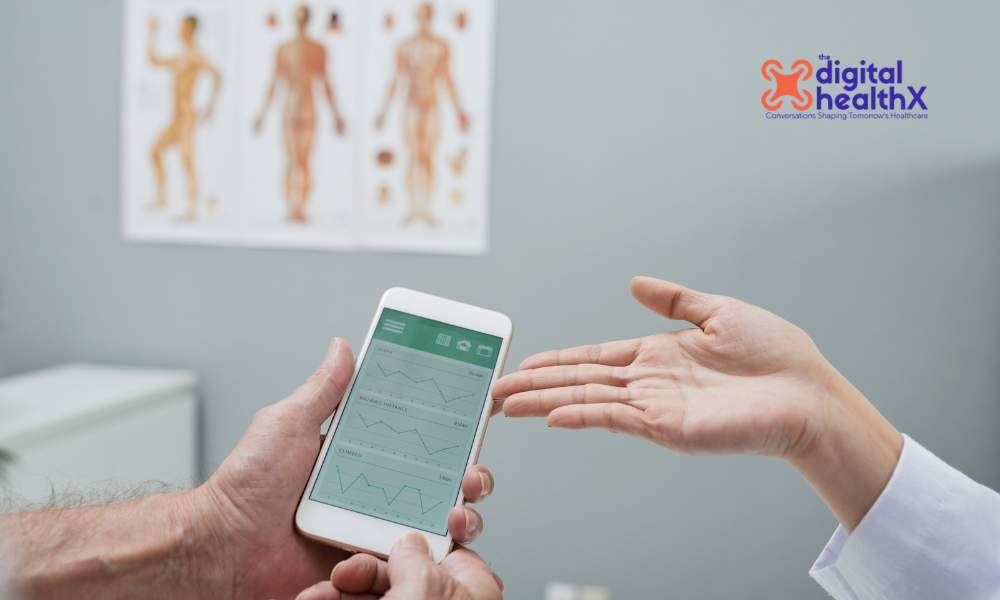
As digital health platforms, wearable technologies, and AI-powered tools reshape healthcare delivery, connected care is creating new opportunities for personalized weight management, continuous monitoring, and more sustainable approaches to improving metabolic health.
Weight management is evolving beyond calorie counting, diet plans, and periodic consultations. With obesity and overweight increasingly recognized as complex, chronic health challenges, healthcare systems are exploring more integrated approaches that address the biological, behavioral, and lifestyle factors influencing body weight.
Connected care is emerging as an important part of this transformation. By bringing together digital health applications, wearable devices, remote consultations, and data-driven insights, these models can help individuals remain engaged with healthcare professionals and make more informed decisions about their health.
The opportunity extends beyond tracking weight changes. It involves understanding individual health patterns, supporting sustainable lifestyle modifications, coordinating clinical interventions, and maintaining engagement throughout the weight management journey.
Beyond Weight Tracking: The Rise of Connected Weight Management
Traditional weight management programs often rely on periodic consultations, dietary assessments, physical activity recommendations, and regular weight measurements. Although these approaches remain important, digital technologies are expanding how individuals monitor progress and interact with healthcare providers.
Mobile health applications allow users to record meals, monitor calorie intake, track physical activity, and maintain records of weight changes. Wearable devices add another layer by collecting information about daily movement, heart rate, sleep patterns, and other activity-related measurements.
When these tools are integrated into connected healthcare platforms, they can provide a broader view of lifestyle patterns and individual progress.
For example, a digital weight management program may combine food diaries, activity records, and weight measurements to help users identify behavioral patterns that influence their progress.
This shift is creating opportunities for more continuous engagement, where individuals can access guidance and monitor progress beyond scheduled clinical appointments.
Continuous Monitoring and More Informed Lifestyle Decisions
Weight management involves multiple interconnected factors, including nutrition, physical activity, sleep, stress, and metabolic health. Monitoring these factors over time can help individuals and healthcare professionals better understand the influences on weight-related outcomes.
Connected devices and digital platforms can bring together information from different sources, helping users identify patterns that may otherwise be difficult to recognize.
For instance, wearable devices can track physical activity and sleep duration, while mobile applications can record dietary habits and changes in body weight. Reviewing these measurements together may help individuals understand how daily routines relate to their broader health goals.
For people participating in medically supervised weight management programs, digital records can also support discussions about progress, treatment adherence, and potential barriers.
However, individual measurements should not be interpreted in isolation. Weight fluctuations can reflect several factors, including hydration, medication, hormonal changes, and other physiological processes.
Continuous monitoring is most useful when the information is interpreted appropriately and translated into practical, evidence-based guidance.
Personalizing Weight Management Through AI and Digital Health
Weight management is not a universal process. Individual needs can differ according to age, genetics, medical history, metabolic health, lifestyle, and other personal circumstances.
Artificial intelligence and connected health platforms are creating new possibilities for tailoring weight management support around these differences.
AI-enabled applications can analyze information such as dietary records, physical activity, sleep patterns, and user-reported goals to identify trends and provide personalized educational guidance.
Some platforms can also adapt reminders, activity suggestions, and behavioral prompts according to user engagement and progress.
For example, a digital wellness application may encourage an individual to establish more consistent activity routines based on recorded movement patterns. Another platform may help users identify dietary habits and prepare questions for consultations with nutritionists or healthcare professionals.
AI may also support healthcare teams by organizing patient-reported information and identifying patterns that warrant further discussion.
Nevertheless, automated recommendations must remain within appropriate clinical boundaries. AI-generated dietary or exercise suggestions may not account for underlying conditions, medication interactions, nutritional deficiencies, or individual treatment requirements.
Personalization must therefore be supported by reliable evidence, appropriate clinical oversight, and an understanding of each individual’s health needs.
Remote Consultations and the Changing Patient Experience
Access to qualified weight management support can be challenging for individuals who face geographical barriers, limited specialist availability, financial constraints, or demanding schedules.
Telehealth and virtual consultations are creating additional ways for individuals to connect with healthcare professionals, including physicians, dietitians, endocrinologists, and behavioral health specialists.
Through remote appointments, patients may discuss dietary challenges, review progress, receive lifestyle guidance, and evaluate appropriate treatment options.
Digital platforms can also support follow-up communication and help individuals maintain engagement between consultations.
For people participating in structured weight management programs, these services may reduce the need for frequent in-person visits while providing additional flexibility.
However, virtual care cannot replace every aspect of clinical assessment. Some individuals may require physical examinations, laboratory investigations, or specialized evaluations to understand underlying metabolic or hormonal conditions.
The most effective approach combines remote services with in-person care when clinically appropriate.
Integrating Medical, Nutritional, and Behavioral Support
Weight management is influenced by more than food intake and physical activity. Biological, psychological, environmental, and social factors can all contribute to an individual’s experience.
Effective care may therefore require collaboration among multiple healthcare professionals, including primary care physicians, endocrinologists, nutritionists, psychologists, and other specialists.
Connected healthcare platforms can support this coordination by bringing relevant patient information together and enabling authorized professionals to communicate across care settings.
For example, an individual receiving treatment for obesity alongside care for type 2 diabetes or cardiovascular risk factors may benefit from coordinated treatment planning. Relevant health records, medication information, lifestyle assessments, and follow-up observations can help inform discussions across the care team.
Digital platforms may also support behavioral interventions by providing structured educational resources, goal-setting tools, and progress tracking.
This integrated approach recognizes that sustainable weight management may require ongoing medical, nutritional, and behavioral support rather than isolated lifestyle recommendations.
The Role of Medical Weight Management and Digital Therapeutics
The growing availability of medical interventions for obesity is creating additional opportunities for connected care.
For eligible individuals, healthcare professionals may consider pharmacological treatments alongside nutritional guidance, physical activity, and behavioral interventions.
Digital platforms can support these treatment journeys by helping patients maintain medication records, track relevant health measurements, document side effects, and prepare for follow-up consultations.
Some digital health programs also incorporate structured behavioral interventions designed to support long-term lifestyle changes.
When appropriately integrated, these tools may help healthcare teams monitor treatment engagement and identify concerns that require clinical attention.
However, digital platforms should not independently recommend prescription weight-loss medications, determine treatment eligibility, or modify medication doses. These decisions require qualified medical assessment and ongoing supervision.
The focus must remain on comprehensive obesity care rather than short-term weight reduction.
Addressing the Challenges Behind Connected Weight Management
Despite its potential, connected weight management faces several challenges that will influence its effectiveness and adoption.
Data privacy and security remain fundamental. Weight management platforms may collect sensitive information about dietary habits, body measurements, medications, activity patterns, and medical history. Developers must establish appropriate safeguards and provide transparency around data collection, storage, and sharing.
Clinical validation and reliability are equally important. Digital wellness applications and medically oriented weight management platforms serve different purposes. Their recommendations must be evaluated according to their intended use, supporting evidence, and potential health implications.
Affordability and equitable access also require attention. Wearable devices, connected monitoring tools, specialist consultations, and digital subscriptions may not be accessible to every individual. Digital literacy, internet availability, and device compatibility can create additional barriers.
Patient engagement and behavioral sustainability represent another challenge. Weight management requires long-term commitment, and excessive notifications, unrealistic targets, or overly restrictive recommendations may discourage continued participation.
Finally, weight-related stigma and responsible communication must be addressed. Digital platforms should promote supportive, non-judgmental approaches that recognize individual circumstances and focus on overall health rather than appearance or numbers on a scale.
Building a More Connected Future for Weight Management
The next phase of weight management will depend on how effectively digital technologies become integrated into established healthcare services.
Technology developers, healthcare organizations, clinicians, researchers, and policymakers must work together to build solutions that are evidence-based, accessible, and responsive to individual needs.
This will require stronger clinical validation, improved interoperability, appropriate data governance, and training for healthcare professionals using connected health technologies.
It will also require evaluating outcomes beyond weight reduction, including improvements in metabolic health, quality of life, treatment adherence, and the long-term management of obesity-related conditions.
Patients must remain active participants in this transformation, with digital tools designed around their preferences, circumstances, and individual health goals.
Ultimately, successful connected care will be measured by its ability to support sustainable health improvements rather than simply increase digital engagement or generate more data.
Connecting Everyday Habits to Better Weight Management
Connected care is creating new opportunities to bring together wearable monitoring, digital health applications, AI-enabled insights, remote consultations, and coordinated clinical interventions.
Its greatest potential lies in helping individuals understand their health patterns, access appropriate professional guidance, and remain engaged throughout their weight management journeys.
However, technology alone cannot address the complexity of obesity and weight-related health challenges. Sustainable outcomes require evidence-based interventions, appropriate medical supervision, behavioral support, and consideration of each individual’s circumstances.
As digital healthcare continues to evolve, the focus must shift from simply monitoring weight to supporting comprehensive, personalized, and long-term health improvements.
The future of weight management will not be defined by how quickly individuals reach a number on the scale, but by how effectively connected care helps them achieve and sustain better health.