Healthcare is generating unprecedented volumes of data from electronic health records, wearable devices, diagnostic imaging, laboratory systems, remote patient monitoring, genomics, and connected medical devices. While this information has enormous potential to improve patient care, its true value lies in the ability to organise, integrate, and analyse it effectively. Health data platforms are emerging as the foundation of modern digital healthcare by enabling healthcare organisations to transform fragmented information into actionable insights. As healthcare becomes increasingly data driven, these platforms are powering smarter clinical decisions, operational efficiency, and personalised patient care.
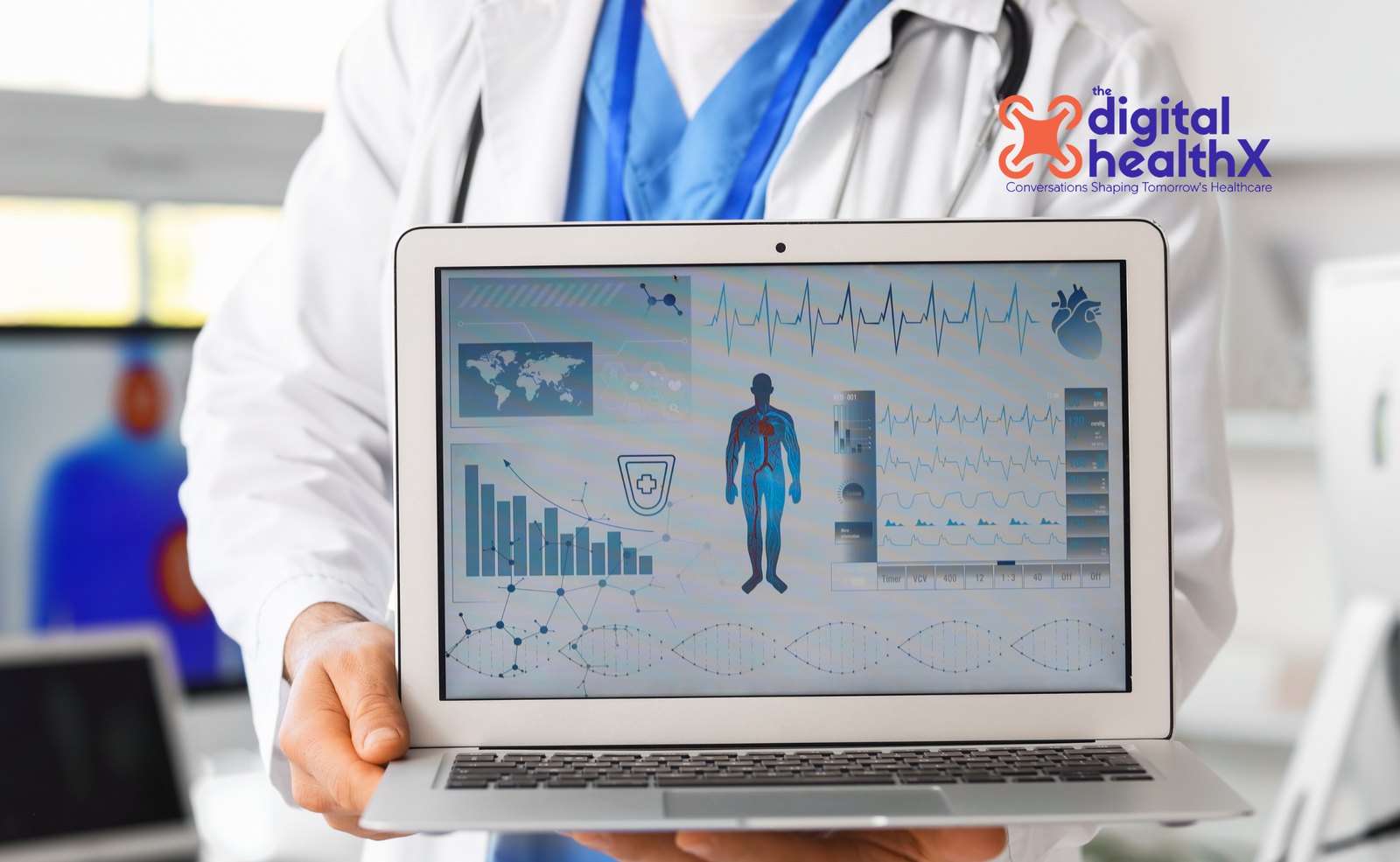
Health data platforms are designed to collect, integrate, store, and analyse information from multiple healthcare sources within a secure digital environment. Instead of maintaining isolated data across separate systems, these platforms create a unified view of patient information that can be accessed by authorised healthcare professionals when needed. By connecting hospitals, clinics, laboratories, pharmacies, and digital health applications, health data platforms support better collaboration and more coordinated care.
One of the greatest advantages of health data platforms is improved clinical decision-making. When clinicians have access to comprehensive and up-to-date patient information, they can make more informed treatment decisions based on a complete understanding of a patient’s medical history, laboratory results, imaging reports, medications, allergies, and previous interventions. This integrated approach reduces duplication of tests, minimises clinical errors, and improves continuity of care across different healthcare settings.
Artificial Intelligence is significantly enhancing the value of health data platforms by transforming large volumes of healthcare information into meaningful clinical insights. AI-powered analytics can identify disease patterns, predict patient risks, support early diagnosis, and recommend evidence-based treatment pathways. Healthcare organisations can also use predictive models to anticipate hospital admissions, optimise resource allocation, and improve population health management. These capabilities enable more proactive and personalised healthcare delivery.
Health data platforms are also supporting the rapid growth of precision medicine. By integrating genomic information, lifestyle data, medical history, and clinical outcomes, these platforms enable healthcare providers to develop treatment strategies tailored to the unique characteristics of each patient. This personalised approach improves treatment effectiveness while reducing unnecessary interventions and adverse outcomes.
Beyond clinical care, health data platforms play an essential role in healthcare operations and research. Healthcare administrators can analyse operational data to improve workforce planning, monitor service performance, manage healthcare resources, and identify opportunities for greater efficiency. Researchers can use securely anonymised health data to study disease trends, evaluate treatment outcomes, accelerate clinical research, and support the development of new therapies and digital health innovations.
Interoperability is a key feature of successful health data platforms. Modern healthcare organisations rely on numerous digital systems that must communicate effectively with one another. By supporting standardised data exchange across electronic health records, laboratory information systems, imaging platforms, telehealth services, wearable devices, and pharmacy systems, health data platforms create a connected healthcare ecosystem that enables seamless information sharing while improving care coordination.
Despite their many advantages, health data platforms must address important challenges related to data privacy, cybersecurity, governance, and regulatory compliance. Healthcare organisations must ensure that sensitive patient information is protected through strong encryption, secure access controls, and transparent data governance policies. Maintaining data quality and ensuring interoperability across multiple systems are also essential to maximising the value of healthcare data.
The future of digital healthcare will increasingly depend on intelligent health data platforms that connect information across the entire healthcare ecosystem. Advances in Artificial Intelligence, cloud computing, predictive analytics, and interoperability will enable these platforms to deliver deeper clinical insights, support more personalised care, and improve healthcare efficiency on a larger scale. By transforming complex healthcare data into actionable knowledge, health data platforms are powering smarter digital healthcare and helping shape a more connected, efficient, and patient-centred future.