As artificial intelligence brings personalized insights, intelligent monitoring, and digital assistance to smartphones, mobile health applications are evolving from everyday wellness tools into increasingly sophisticated partners in healthcare.
Healthcare is becoming more personal, connected, and accessible, and increasingly, it begins with a smartphone.
From tracking sleep and physical activity to managing chronic conditions and accessing virtual consultations, mobile health applications have changed how people engage with their well-being. Artificial intelligence (AI) is accelerating this transformation, enabling applications to interpret health data, recognize patterns, tailor recommendations, and support interactions that go beyond conventional digital tracking.
The shift is significant. Traditional health applications primarily record information or deliver predefined guidance. AI-powered platforms can analyze changing inputs, adapt to individual users, and generate insights that help people make more informed decisions about their health.
Yet the promise extends beyond convenience. The real opportunity lies in connecting these digital capabilities with evidence-based healthcare, making prevention more proactive, monitoring more continuous, and patient engagement more meaningful.
Beyond Tracking: The Rise of Intelligent Health Applications
Early mobile health applications largely focused on step counts, calorie tracking, medication reminders, and appointment scheduling. While these functions remain useful, AI is expanding what applications can do with the information they collect.
Machine learning algorithms can identify patterns in activity, sleep, heart rate, and other measurements captured through smartphones and connected wearable devices. Natural language processing enables conversational interfaces that help users navigate health information, understand medical terminology, and organize questions for clinical appointments.
Generative AI is adding another dimension. Applications can summarize health information, explain complex concepts in simpler language, and provide interactive guidance tailored to a user’s stated needs.
These capabilities are helping redefine the smartphone as a potential interface between individuals and the broader healthcare ecosystem.
However, the distinction between generating a useful health insight and providing a clinically reliable recommendation remains critical. AI-powered applications vary widely in their intended purpose, supporting evidence, and level of clinical oversight.
Earlier Insights Through Continuous Monitoring
One of AI’s most compelling applications is its ability to analyze health patterns over time.
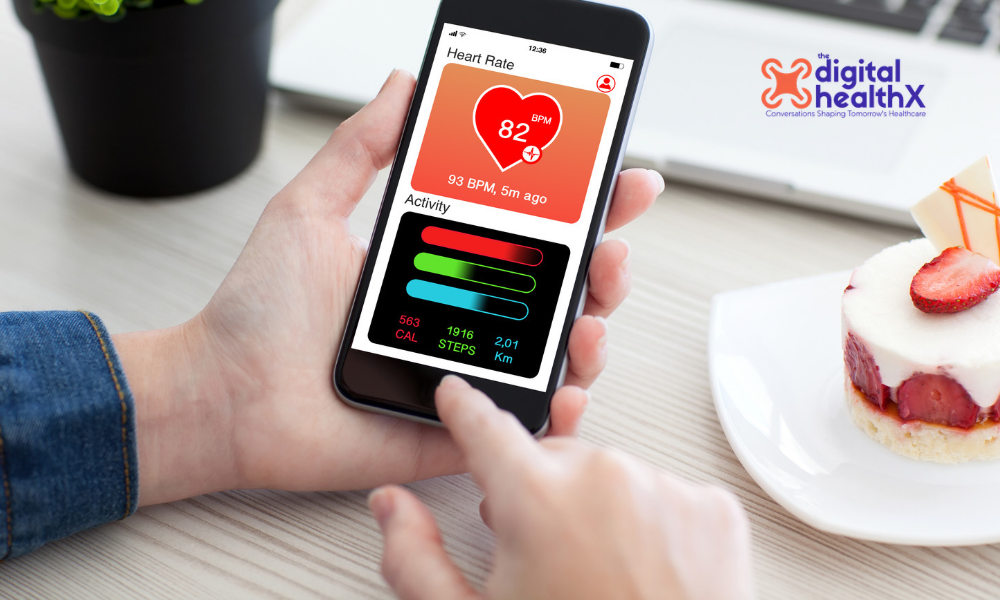
A single measurement may offer limited insight, but repeated observations can reveal changes that deserve attention. By combining information from wearables, symptom logs, and user-reported data, AI-enabled applications may help identify deviations from an individual’s usual patterns.
For example, an application monitoring sleep, activity, and selected physiological signals could highlight sustained changes that prompt a user to seek professional advice. For people managing chronic conditions, connected applications may also support the tracking of symptoms, treatment adherence, and other indicators between clinical visits.
In some settings, AI-assisted analysis of smartphone camera images, voice recordings, or other inputs is also being investigated for screening and monitoring purposes. Such applications may offer new ways to collect information outside traditional clinical environments, although their accuracy and suitability depend on the specific task and the quality of validation.
These developments point toward a more continuous model of healthcare. Rather than relying exclusively on occasional appointments, patients and clinicians may increasingly draw on longitudinal information to understand changes over time.
Importantly, an algorithmic alert is not a diagnosis. Changes in monitored data can have multiple explanations, and clinical interpretation remains essential.
Personalization: Making Digital Care More Relevant
Healthcare recommendations are rarely universal. Age, medical history, lifestyle, existing conditions, and personal circumstances can all influence what constitutes appropriate guidance.
AI offers the potential to make mobile health applications more responsive to these differences.
For example, a digital wellness platform may use a person’s activity patterns, sleep habits, and stated goals to adapt exercise suggestions. A chronic disease management application might organize reminders and educational content around a user’s established care plan. Other platforms may help patients prepare for appointments by summarizing recorded symptoms or identifying questions to discuss with their healthcare providers.
Personalization can also improve engagement. Instead of presenting the same content to every user, applications may adjust the timing, format, and relevance of information based on individual interactions.
However, personalization must be grounded in reliable data and appropriate clinical boundaries. An application designed to encourage healthier habits should not be treated as equivalent to one intended to support medical diagnosis or treatment decisions. The more consequential the recommendation, the stronger the evidence and safeguards need to be.
Virtual Health Assistants and the Changing Patient Experience
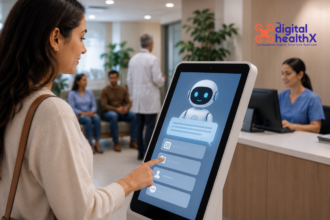
AI-powered conversational assistants are creating new ways for people to interact with digital health services.
Users may be able to ask questions in everyday language, navigate healthcare resources, receive explanations of medical terminology, or organize information before speaking with a clinician. For healthcare organizations, these tools may also help streamline administrative tasks, improve access to educational materials, and guide users toward appropriate services.
Multilingual interfaces and simpler explanations could make health information more accessible to people who struggle with complex medical language.
Nevertheless, conversational fluency should not be confused with medical accuracy. Generative AI can produce incomplete, misleading, or incorrect responses, sometimes with unwarranted confidence. Applications must therefore establish clear boundaries around medical advice, communicate uncertainty, and direct users toward qualified professionals when necessary.
For urgent symptoms or potential emergencies, digital guidance must not delay appropriate medical care.
The Challenges Behind the Innovation
As AI-enabled mobile health applications become more sophisticated, several challenges will determine whether their benefits translate into meaningful healthcare improvements.
Data privacy and security remain fundamental. Health applications may collect sensitive information about symptoms, medications, location, lifestyle, and physiological measurements. Developers must protect this data, explain how it is used, and provide meaningful transparency around consent and sharing.
Clinical validation is equally important. A promising prototype or strong performance in a controlled dataset does not establish that an application improves health outcomes in everyday use. Independent evaluation across diverse populations, real-world testing, and continued monitoring are essential.
Bias and unequal access also require attention. Models trained on narrow or unrepresentative datasets may perform differently across demographic groups, languages, or health conditions. In addition, reliable internet access, compatible devices, affordability, and digital literacy can influence who benefits from mobile health innovation.
Finally, regulatory requirements must reflect an application’s intended purpose and level of risk. A wellness tracker and an application that influences clinical decisions should not necessarily be evaluated against the same standards.
Building Trust Into the Next Generation of Digital Health
The next phase of AI-powered mobile healthcare will depend on more than increasingly capable algorithms. It will require effective collaboration among technology developers, clinicians, healthcare organizations, regulators, and patients.
Developers must prioritize transparent design, privacy safeguards, clinical relevance, and usability. Healthcare providers need confidence that the tools they recommend are appropriate for their patients and fit into existing care pathways. Regulators and researchers must continue strengthening frameworks for evaluating safety, effectiveness, and performance across different populations.
The strongest applications will not simply collect more data or offer more sophisticated conversations. They will demonstrate that their insights are useful, their limitations are understood, and their integration into healthcare produces measurable value.
The Smartphone as a Partner in Better Health
AI is opening a new chapter in mobile healthcare, creating opportunities to connect everyday health behaviors with more personalized information, continuous monitoring, and better-coordinated care.
But technology alone cannot deliver better health outcomes. The value of an application depends on the quality of its evidence, the trust it earns, and its ability to support sound decisions without replacing essential clinical judgment.
As digital health continues to evolve, the most meaningful advances may come from applications that help people understand their health more clearly, recognize when professional care is needed, and participate more actively in their treatment journeys.
The future of mobile health will not be defined by how intelligently an application responds, but by how responsibly it helps people live healthier lives.