
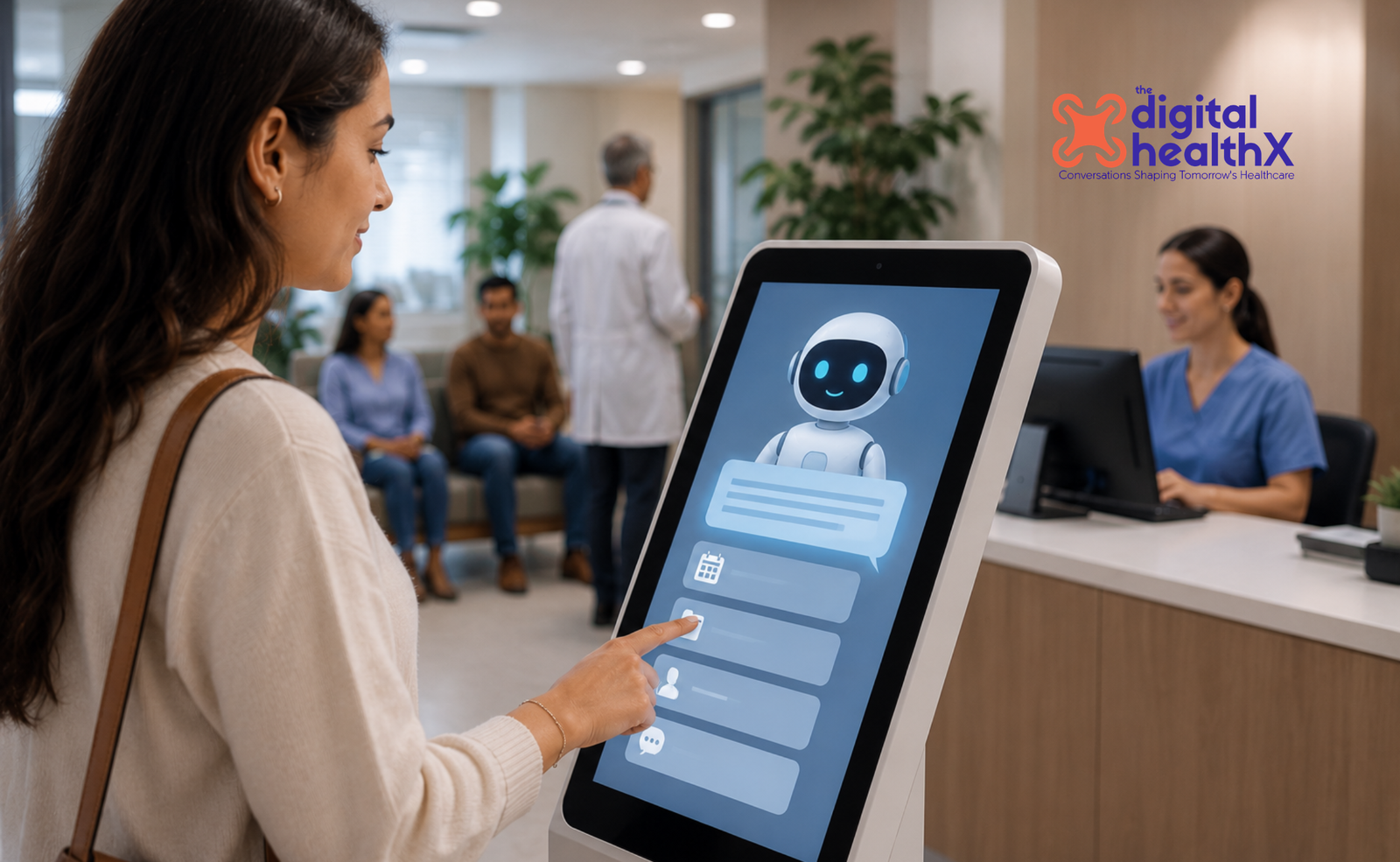
Healthcare is becoming increasingly digital, and patient expectations are evolving alongside it. Individuals now expect faster responses, convenient access to information, and seamless communication with healthcare providers. AI-powered healthcare chatbots are meeting these expectations by serving as the digital front desk for hospitals, clinics, diagnostic centres, and digital health platforms. From answering routine questions and scheduling appointments to supporting patient education and care navigation, healthcare chatbots are transforming how organisations engage with patients while improving operational efficiency.
One of the most significant advantages of healthcare chatbots is their ability to provide instant, round-the-clock assistance. Unlike traditional call centres that operate within limited hours, AI chatbots are available 24 hours a day to answer frequently asked questions, provide information about healthcare services, assist with appointment bookings, and guide patients to the appropriate care pathways. This immediate access improves patient satisfaction while reducing the workload on administrative staff.
Modern healthcare chatbots are powered by Artificial Intelligence and natural language processing, allowing them to understand conversational language and respond with relevant, context-aware information. Instead of relying on predefined scripts, these intelligent systems can interpret patient queries, provide personalised responses, and support more natural interactions. This creates a user experience that feels intuitive and accessible, even for individuals with limited technical knowledge.
Healthcare organisations are increasingly deploying chatbots to streamline administrative workflows. AI chatbots can manage appointment scheduling, send reminders, collect patient registration information, answer billing enquiries, provide directions to healthcare facilities, and assist with insurance-related questions. Automating these repetitive tasks allows administrative teams to focus on more complex patient needs while improving operational efficiency and reducing waiting times.
Patient engagement is another area where AI chatbots are making a significant impact. Chatbots can provide medication reminders, share educational resources, deliver post-discharge instructions, and encourage patients to follow treatment plans. They can also support chronic disease management by collecting symptom updates, monitoring patient-reported outcomes, and prompting users to report changes in their health status. Continuous digital engagement helps strengthen communication between patients and healthcare providers while encouraging better treatment adherence.
Healthcare chatbots are also supporting telehealth and virtual care services. Before a virtual consultation, chatbots can guide patients through pre-appointment questionnaires, collect relevant medical information, verify personal details, and ensure required documentation is complete. After consultations, they can assist with follow-up instructions, medication information, and appointment scheduling. This seamless integration improves the overall patient experience while helping clinicians optimise their time during consultations.
Artificial Intelligence continues to expand the capabilities of healthcare chatbots through predictive analytics and personalised interactions. By analysing previous conversations, patient preferences, and health information, chatbots can deliver tailored educational content, recommend appropriate healthcare services, and provide proactive reminders for preventive screenings or follow-up appointments. These personalised interactions improve engagement while helping patients make informed decisions about their health.
Despite their growing sophistication, healthcare chatbots are designed to complement healthcare professionals rather than replace them. Complex medical decisions, diagnosis, and treatment planning continue to require the expertise of qualified clinicians. AI chatbots serve as valuable support tools that improve access to information, streamline routine interactions, and enable healthcare teams to dedicate more time to direct patient care. Ensuring data privacy, cybersecurity, clinical accuracy, and regulatory compliance remains essential for maintaining patient trust and delivering safe digital healthcare services.
The future of healthcare chatbots lies in deeper integration with electronic health records, telehealth platforms, wearable devices, and patient engagement systems. As Artificial Intelligence continues to evolve, chatbots will become more intelligent, personalised, and capable of supporting patients throughout their healthcare journey. By simplifying communication, improving accessibility, and enhancing operational efficiency, AI chatbots are becoming the digital front desk for healthcare and helping create more connected, responsive, and patient-centred healthcare experiences.