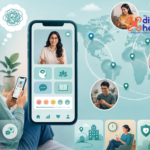

Women’s healthcare is undergoing a digital transformation driven by the rapid growth of FemTech. Short for Female Technology, FemTech encompasses digital health solutions designed specifically to address women’s health needs across every stage of life. From menstrual health and fertility tracking to pregnancy care, menopause management, and chronic disease monitoring, FemTech is empowering women with personalised tools to better understand and manage their health. As digital health adoption accelerates, FemTech is emerging as one of the fastest-growing sectors in healthcare innovation.
Historically, many aspects of women’s health have been underrepresented in medical research and healthcare technology. FemTech is helping bridge this gap by developing solutions tailored to the unique physiological and reproductive health needs of women. Mobile applications, wearable devices, telehealth platforms, and Artificial Intelligence-powered tools are providing greater access to health information, personalised insights, and preventive care, enabling women to make informed decisions about their wellbeing.
One of the most widely adopted areas of FemTech is menstrual and reproductive health. Mobile applications now allow women to track menstrual cycles, monitor symptoms, predict ovulation, and better understand hormonal patterns. These platforms provide valuable insights that can support family planning, fertility management, and the early identification of potential reproductive health concerns. Many applications also offer educational resources that improve health literacy and encourage proactive discussions with healthcare professionals.
Pregnancy and maternal health have also benefited significantly from digital innovation. FemTech platforms offer expectant mothers access to prenatal education, nutrition guidance, symptom tracking, virtual consultations, and personalised care plans throughout pregnancy. Connected devices can monitor blood pressure, blood glucose levels, fetal movements, and other health indicators, enabling healthcare providers to identify potential complications earlier and provide timely interventions. This continuous support improves both maternal and neonatal health outcomes while enhancing the overall pregnancy experience.
Artificial Intelligence is expanding the capabilities of FemTech by delivering more personalised healthcare experiences. AI-powered algorithms can analyse health data, identify trends, and provide customised recommendations related to fertility, pregnancy, hormonal health, and menopause. Virtual health assistants can answer common health questions, provide evidence-based guidance, and remind users about medications, appointments, or screening schedules. These intelligent tools improve patient engagement while supporting informed decision-making.
Menopause management is another area where FemTech is making a meaningful impact. Digital platforms help women monitor symptoms such as hot flushes, sleep disturbances, mood changes, and hormonal fluctuations while offering lifestyle recommendations and educational content. Virtual consultations with healthcare professionals allow women to receive personalised advice and treatment plans without unnecessary delays or travel, improving access to specialised care during an important stage of life.
FemTech is also supporting the early detection and management of conditions that disproportionately affect women, including endometriosis, polycystic ovary syndrome, osteoporosis, and breast cancer. Digital screening tools, symptom trackers, remote monitoring technologies, and data-driven insights enable earlier diagnosis and more personalised treatment strategies. By collecting longitudinal health data, these platforms provide clinicians with a more comprehensive understanding of each patient’s health journey.
Despite its rapid growth, the FemTech sector continues to face challenges related to clinical validation, data privacy, regulatory compliance, and equitable access. Developers and healthcare organisations must ensure that digital solutions are evidence based, scientifically validated, and designed to protect sensitive health information. Expanding access across different populations and improving awareness of available technologies will also be essential to maximising the impact of FemTech innovation.
The future of FemTech lies in greater integration with Artificial Intelligence, wearable health technology, remote patient monitoring, and personalised medicine. As digital platforms become more intelligent and connected, women will gain access to increasingly comprehensive and proactive healthcare solutions tailored to their individual needs. By addressing long-standing gaps in women’s healthcare and empowering individuals with better tools for prevention, diagnosis, and treatment, FemTech is revolutionising women’s healthcare digitally and shaping a more inclusive future for global health.