
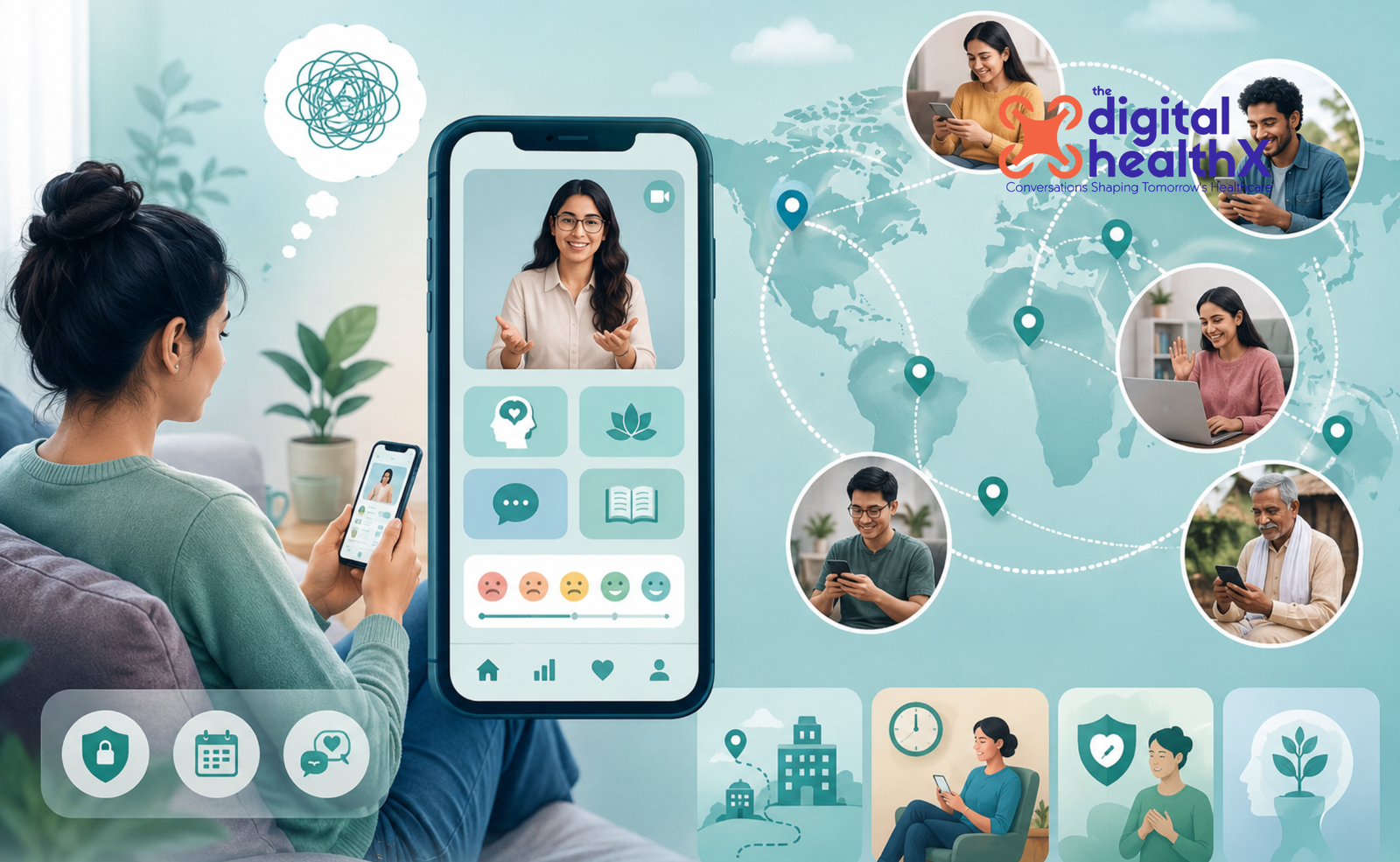
Mental health has become a global healthcare priority, with rising rates of anxiety, depression, stress-related disorders, and burnout affecting millions of people across all age groups. While awareness of mental wellbeing has increased significantly, access to timely and affordable mental healthcare remains a challenge in many regions. Digital mental health platforms are helping bridge this gap by delivering accessible, flexible, and personalised support through technology. From virtual therapy and mobile applications to Artificial Intelligence-powered chatbots and remote counselling, these digital solutions are transforming how mental healthcare is delivered.
One of the greatest advantages of digital mental health platforms is improved accessibility. Traditional mental healthcare often involves long waiting lists, geographical limitations, and social stigma that discourage individuals from seeking help. Digital platforms allow users to connect with licensed mental health professionals through secure video consultations, messaging services, and telephone appointments, making care available from the comfort and privacy of their own homes. This convenience encourages earlier intervention and helps individuals receive support before mental health conditions become more severe.
Mobile mental health applications have also become valuable tools for self-management and emotional wellbeing. Many apps offer guided meditation, mindfulness exercises, mood tracking, stress management techniques, sleep improvement programmes, and cognitive behavioural therapy exercises. By providing users with practical strategies to manage daily challenges, these applications help build resilience and encourage healthier coping mechanisms. They also support individuals between therapy sessions, reinforcing positive habits and promoting long-term mental wellbeing.
Artificial Intelligence is playing an increasingly important role in digital mental healthcare. AI-powered virtual assistants and conversational chatbots can provide immediate support by answering common questions, offering evidence-based coping strategies, conducting initial mental health assessments, and directing users to appropriate care resources. While these technologies do not replace qualified mental health professionals, they provide an additional layer of support, particularly during periods when immediate human assistance may not be available.
Digital mental health platforms are also improving continuity of care. Patients can securely communicate with therapists, complete assessments, access educational resources, and monitor their emotional wellbeing through a single digital platform. Regular mood tracking and symptom monitoring provide clinicians with valuable insights into patient progress, enabling more personalised treatment plans and earlier identification of changes that may require intervention. This continuous engagement strengthens the therapeutic relationship and supports better long-term outcomes.
For employers and educational institutions, digital mental health platforms are becoming an essential component of wellbeing programmes. Organisations are increasingly offering employees and students access to confidential mental health resources, virtual counselling services, resilience training, and wellness programmes through digital platforms. These initiatives help promote mental wellbeing, reduce workplace stress, improve productivity, and encourage individuals to seek support without fear of stigma.
The integration of wearable devices and digital biomarkers is further enhancing mental health care. Smartwatches and other connected devices can monitor physiological indicators such as sleep patterns, heart rate variability, physical activity, and stress levels. Combined with Artificial Intelligence, these data can help identify early signs of emotional distress and provide personalised recommendations to support mental wellbeing. Such insights allow both users and healthcare professionals to take a more proactive approach to mental health management.
Despite their many benefits, digital mental health platforms must address challenges related to privacy, cybersecurity, clinical validation, and equitable access. Protecting sensitive mental health data is essential to maintaining patient trust, while ensuring that digital interventions are evidence based and delivered by qualified professionals remains a critical priority. Healthcare organisations and technology providers must also work to improve digital inclusion so that underserved populations can benefit from these innovations.
The future of mental healthcare will combine digital innovation with human expertise to deliver more accessible, responsive, and personalised care. As Artificial Intelligence, telehealth, wearable technologies, and behavioural science continue to evolve, digital mental health platforms will play an increasingly important role in expanding access to quality mental healthcare. By reducing barriers to treatment and supporting continuous engagement, these platforms are helping create a more inclusive and patient-centred approach to mental wellbeing.