Preventive healthcare is becoming a central focus of modern medicine, shifting the emphasis from treating illness to promoting long-term health and wellbeing. At the heart of this transformation are consumer health platforms, digital solutions that empower individuals to monitor their health, access personalised insights, and make informed lifestyle decisions. By combining mobile applications, wearable devices, Artificial Intelligence, telehealth, and health data analytics, these platforms are enabling people to take a more proactive approach to managing their health long before medical intervention becomes necessary.
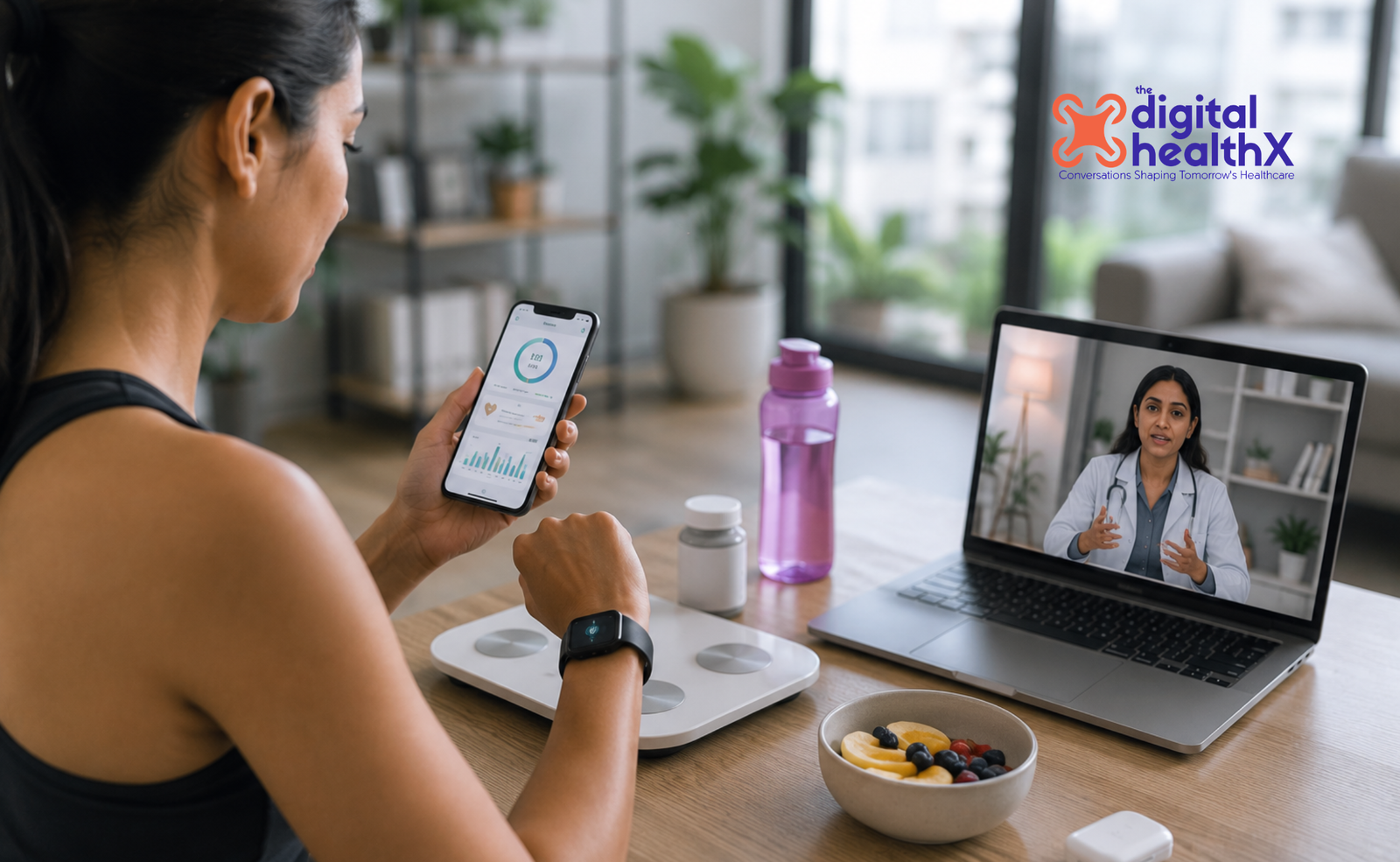
Consumer health platforms provide users with convenient access to a wide range of health and wellness services through smartphones, tablets, and connected devices. Individuals can monitor physical activity, nutrition, sleep patterns, heart rate, stress levels, and other health indicators from a single digital platform. Many solutions also offer health assessments, symptom tracking, vaccination reminders, preventive screening notifications, and access to educational resources, helping users stay informed about their overall wellbeing.
One of the greatest strengths of consumer health platforms is their ability to encourage healthy behaviour through continuous engagement. Personalised goal setting, progress tracking, reminders, and motivational feedback help individuals build sustainable habits related to exercise, nutrition, hydration, sleep, and mental wellbeing. By providing regular insights and actionable recommendations, these platforms make preventive healthcare a part of everyday life rather than an occasional clinical activity.
Artificial Intelligence is significantly enhancing the capabilities of consumer health platforms. AI-powered analytics can evaluate user data collected from wearable devices, health applications, and connected sensors to deliver personalised health recommendations. Instead of offering generic advice, these intelligent platforms consider an individual’s activity patterns, health goals, and lifestyle behaviours to recommend practical steps for improving overall wellness. AI-powered virtual assistants can also answer common health questions, provide educational guidance, and remind users about medications, vaccinations, and preventive screenings.
The integration of wearable health technology has further strengthened the value of consumer health platforms. Smartwatches, fitness bands, smart rings, and connected medical devices continuously collect health data, allowing users to monitor changes in their wellbeing over time. Metrics such as heart rate, blood oxygen saturation, sleep quality, stress levels, and physical activity provide valuable insights into overall health. When combined with Artificial Intelligence, these data support early identification of potential health concerns and encourage timely consultation with healthcare professionals.
Consumer health platforms are also improving access to healthcare services by integrating telehealth, digital pharmacies, appointment scheduling, and electronic health records into a unified digital experience. Users can consult healthcare professionals, access laboratory results, request prescription refills, and manage their healthcare journey through a single application. This connected approach enhances convenience while strengthening communication between patients and healthcare providers.
Healthcare organisations and employers are increasingly adopting consumer health platforms to support population health and wellness programmes. Employers use these platforms to encourage healthier lifestyles, monitor wellbeing initiatives, and provide access to preventive healthcare resources for their workforce. Healthcare providers leverage digital engagement tools to promote routine health screenings, vaccination campaigns, and chronic disease prevention, helping improve health outcomes across broader populations.
Despite their many advantages, consumer health platforms must address challenges related to data privacy, cybersecurity, interoperability, and digital inclusion. Users need confidence that their personal health information is securely protected and used responsibly. Developers and healthcare organisations must also ensure that digital health recommendations are evidence based, clinically appropriate, and accessible to individuals with varying levels of digital literacy.
The future of consumer health platforms lies in greater personalisation, predictive analytics, and seamless integration across the digital health ecosystem. Advances in Artificial Intelligence, wearable technologies, remote patient monitoring, and connected healthcare services will enable these platforms to deliver increasingly proactive and personalised health experiences. By empowering individuals to monitor their wellbeing, adopt healthier lifestyles, and engage with preventive healthcare services, consumer health platforms are redefining preventive healthcare and supporting a healthier future for people around the world.