Chronic diseases remain one of the greatest challenges facing healthcare systems worldwide. Conditions such as diabetes, hypertension, cardiovascular disease, chronic obstructive pulmonary disease, and kidney disease require continuous monitoring, regular follow-ups, and long-term treatment adherence. Traditional models of care often rely on periodic clinical visits, leaving significant gaps between appointments. Remote Patient Monitoring (RPM) is changing this paradigm by enabling healthcare providers to monitor patients beyond the walls of hospitals and clinics, supporting more proactive, connected, and personalised chronic care management.
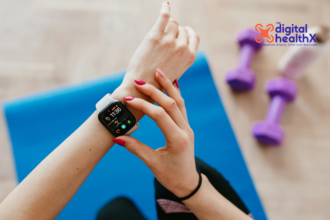
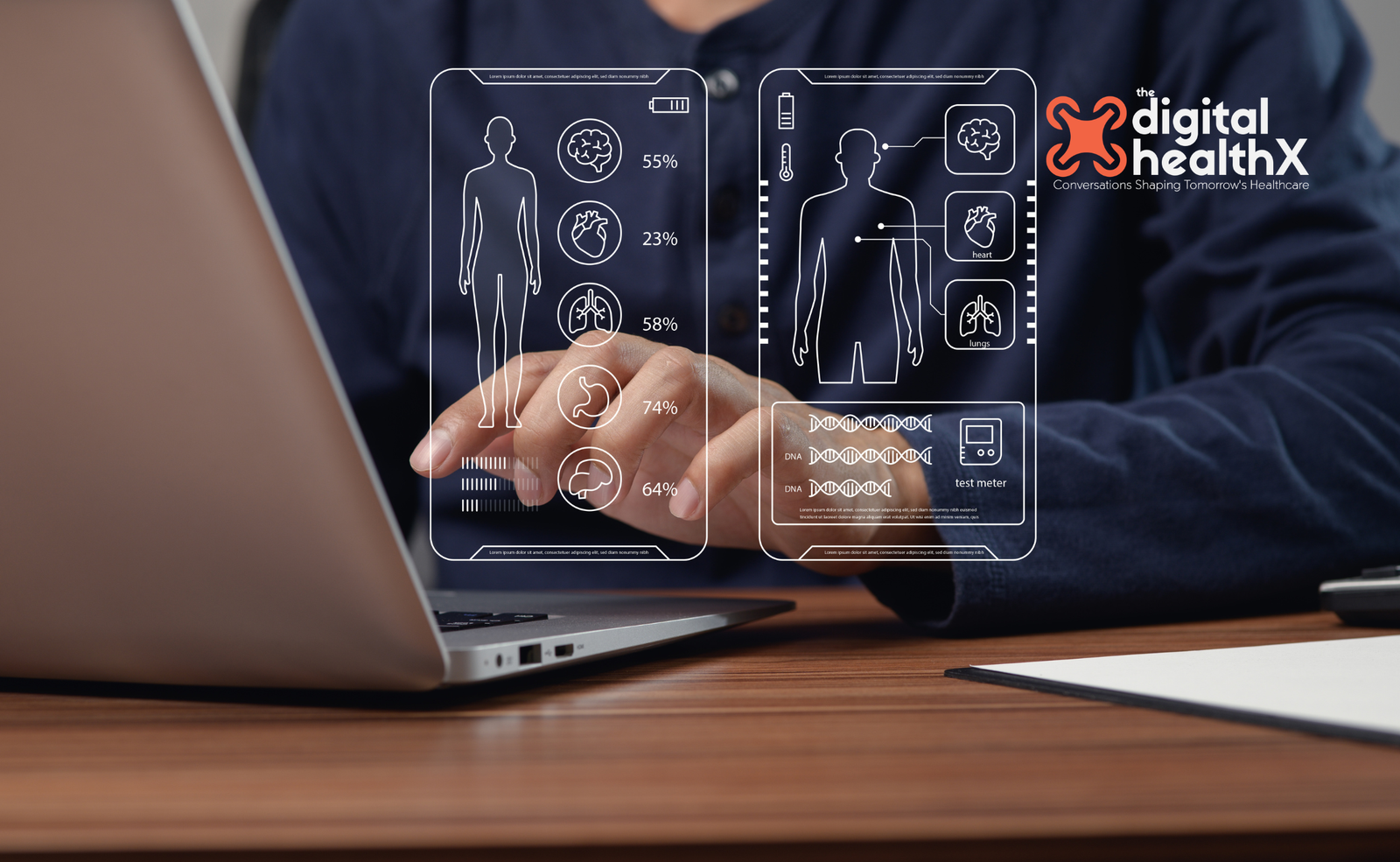
Remote Patient Monitoring uses connected medical devices, wearable technologies, and digital health platforms to collect and transmit patient health data in real time. Devices such as blood pressure monitors, glucose meters, pulse oximeters, weight scales, electrocardiogram monitors, and wearable fitness trackers automatically share health information with clinicians through secure digital platforms. This continuous flow of data provides healthcare teams with a more comprehensive understanding of a patient’s condition, allowing earlier intervention when abnormalities or concerning trends are detected.
One of the most significant benefits of RPM is its ability to improve chronic disease management through timely clinical decision-making. Instead of waiting for scheduled appointments, healthcare providers can review patient data regularly and respond when changes in health status occur. For example, rising blood pressure readings, fluctuating blood glucose levels, or unexpected weight gain may indicate that a patient’s condition requires immediate attention. Early intervention helps prevent disease progression, reduces complications, and minimises avoidable emergency department visits and hospital admissions.
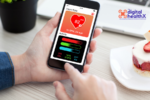
Patients also benefit from greater engagement in managing their own health. Remote monitoring encourages individuals to track vital health metrics consistently while providing greater visibility into how lifestyle choices, medications, and daily routines influence their overall wellbeing. Mobile applications often complement RPM programmes by offering medication reminders, educational content, symptom tracking, and secure communication with care teams. This continuous interaction helps improve treatment adherence and empowers patients to become active participants in their healthcare journey.
Healthcare providers are increasingly integrating Artificial Intelligence into Remote Patient Monitoring programmes to enhance efficiency and clinical effectiveness. AI-powered analytics can identify patterns across large volumes of patient data, prioritise high-risk patients, and generate alerts when intervention may be required. Rather than manually reviewing every data point, clinicians can focus their attention on patients who need immediate care while maintaining oversight of larger patient populations. This approach supports more efficient resource utilisation and improves care coordination.
Remote Patient Monitoring is also transforming healthcare delivery beyond hospitals. Primary care providers, specialist clinics, home healthcare agencies, and long-term care organisations are adopting RPM to deliver continuous care across multiple settings. This connected approach is particularly valuable for ageing populations and individuals living in rural or underserved communities who may have limited access to frequent in-person consultations. By reducing unnecessary travel and supporting care at home, RPM improves both convenience and accessibility.
Despite its growing adoption, successful implementation of Remote Patient Monitoring requires careful attention to data security, interoperability, regulatory compliance, and patient education. Healthcare organisations must ensure that connected devices and digital platforms protect sensitive patient information while integrating seamlessly with electronic health records. Equally important is ensuring that patients understand how to use monitoring devices correctly and remain engaged throughout their care programme.
The future of Remote Patient Monitoring will be shaped by continued advances in wearable technology, Artificial Intelligence, cloud computing, and connected healthcare ecosystems. As devices become more accurate, affordable, and user-friendly, RPM will play an increasingly important role in preventive healthcare, early disease detection, and personalised treatment planning. By enabling continuous monitoring, strengthening patient engagement, and supporting data-driven clinical decisions, Remote Patient Monitoring is redefining chronic care management and helping healthcare systems deliver more proactive, efficient, and patient-centred care.