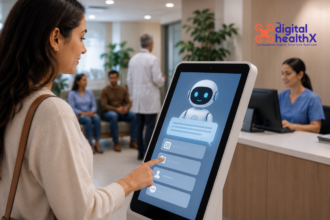

Artificial Intelligence (AI) is reshaping healthcare beyond hospitals and clinics by creating smarter, more personalised experiences for patients. AI health assistants, powered by advanced machine learning and generative AI, are becoming valuable digital companions that help individuals manage their health, navigate care journeys, and access reliable information anytime, anywhere. From answering health-related questions to supporting chronic disease management, these intelligent assistants are redefining patient engagement in the digital health era.
One of the most significant advantages of AI health assistants is their ability to provide 24/7 support. Unlike traditional healthcare channels that often involve long waiting times or limited office hours, AI-powered assistants can instantly respond to common health queries, explain symptoms, guide patients through care pathways, and offer personalised health education. This immediate access to information empowers patients to make informed decisions while reducing the burden on healthcare professionals.
AI health assistants are also improving medication adherence and treatment compliance. Through personalised reminders, interactive conversations, and behavioural nudges, these digital tools encourage patients to take medications on time, attend follow-up appointments, and maintain healthy routines. For individuals managing chronic conditions such as diabetes, hypertension, or cardiovascular diseases, consistent engagement can lead to better health outcomes and fewer preventable complications.
Personalisation is another defining feature of modern AI health assistants. By integrating with wearable devices, mobile health applications, and electronic health records, these platforms can analyse individual health data and deliver tailored recommendations based on lifestyle, medical history, and wellness goals. Whether encouraging increased physical activity, promoting better sleep habits, or providing nutritional guidance, AI-driven insights make healthcare more proactive and patient-centric.
Generative AI has further expanded the capabilities of health assistants by enabling more natural, conversational interactions. Rather than relying on scripted responses, AI assistants can understand context, interpret complex questions, and generate human-like explanations. This improves the overall user experience and makes digital healthcare more accessible for individuals with varying levels of health literacy. Patients can receive simplified explanations of medical terminology, preparation instructions before procedures, or guidance on navigating healthcare services in an easy-to-understand format.
Healthcare providers are also benefiting from AI-powered patient engagement tools. By automating routine administrative interactions, appointment scheduling, patient onboarding, and frequently asked questions, AI health assistants allow clinical teams to focus on higher-value patient care. They also help collect patient-reported outcomes and feedback between visits, giving clinicians better visibility into patient progress and enabling more informed decision-making during consultations.
Despite their growing capabilities, AI health assistants are designed to complement healthcare professionals rather than replace them. Responsible deployment requires robust data privacy measures, transparent AI governance, and clinical oversight to ensure accuracy and patient safety. Healthcare organisations must also address concerns related to bias, data security, and regulatory compliance to build trust among patients and providers.
Looking ahead, AI health assistants are expected to become an integral part of connected digital healthcare ecosystems. As technologies continue to evolve, these intelligent platforms will deliver increasingly personalised, predictive, and seamless patient experiences while supporting preventive care, improving engagement, and enhancing healthcare accessibility. By bridging the gap between patients and providers, AI health assistants are helping create a more informed, connected, and patient-centred future for healthcare.
Artificial Intelligence (AI) is reshaping healthcare beyond hospitals and clinics by creating smarter, more personalised experiences for patients. AI health assistants, powered by advanced machine learning and generative AI, are becoming valuable digital companions that help individuals manage their health, navigate care journeys, and access reliable information anytime, anywhere. From answering health-related questions to supporting chronic disease management, these intelligent assistants are redefining patient engagement in the digital health era.
One of the most significant advantages of AI health assistants is their ability to provide 24/7 support. Unlike traditional healthcare channels that often involve long waiting times or limited office hours, AI-powered assistants can instantly respond to common health queries, explain symptoms, guide patients through care pathways, and offer personalised health education. This immediate access to information empowers patients to make informed decisions while reducing the burden on healthcare professionals.
AI health assistants are also improving medication adherence and treatment compliance. Through personalised reminders, interactive conversations, and behavioural nudges, these digital tools encourage patients to take medications on time, attend follow-up appointments, and maintain healthy routines. For individuals managing chronic conditions such as diabetes, hypertension, or cardiovascular diseases, consistent engagement can lead to better health outcomes and fewer preventable complications.
Personalisation is another defining feature of modern AI health assistants. By integrating with wearable devices, mobile health applications, and electronic health records, these platforms can analyse individual health data and deliver tailored recommendations based on lifestyle, medical history, and wellness goals. Whether encouraging increased physical activity, promoting better sleep habits, or providing nutritional guidance, AI-driven insights make healthcare more proactive and patient-centric.
Generative AI has further expanded the capabilities of health assistants by enabling more natural, conversational interactions. Rather than relying on scripted responses, AI assistants can understand context, interpret complex questions, and generate human-like explanations. This improves the overall user experience and makes digital healthcare more accessible for individuals with varying levels of health literacy. Patients can receive simplified explanations of medical terminology, preparation instructions before procedures, or guidance on navigating healthcare services in an easy-to-understand format.
Healthcare providers are also benefiting from AI-powered patient engagement tools. By automating routine administrative interactions, appointment scheduling, patient onboarding, and frequently asked questions, AI health assistants allow clinical teams to focus on higher-value patient care. They also help collect patient-reported outcomes and feedback between visits, giving clinicians better visibility into patient progress and enabling more informed decision-making during consultations.
Despite their growing capabilities, AI health assistants are designed to complement healthcare professionals rather than replace them. Responsible deployment requires robust data privacy measures, transparent AI governance, and clinical oversight to ensure accuracy and patient safety. Healthcare organisations must also address concerns related to bias, data security, and regulatory compliance to build trust among patients and providers.
Looking ahead, AI health assistants are expected to become an integral part of connected digital healthcare ecosystems. As technologies continue to evolve, these intelligent platforms will deliver increasingly personalised, predictive, and seamless patient experiences while supporting preventive care, improving engagement, and enhancing healthcare accessibility. By bridging the gap between patients and providers, AI health assistants are helping create a more informed, connected, and patient-centred future for healthcare.