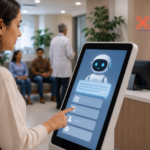

Patient engagement has become a defining pillar of modern healthcare. As healthcare systems shift towards value-based care and personalised medicine, empowering patients to actively participate in their healthcare journey has never been more important. Patient engagement platforms are helping healthcare providers strengthen communication, improve care coordination, and encourage healthier behaviours through connected digital experiences. By integrating mobile applications, patient portals, telehealth, Artificial Intelligence, and remote monitoring technologies, these platforms are transforming the way patients interact with healthcare providers and manage their health.
Traditionally, patient engagement was largely limited to face-to-face consultations and occasional follow-up appointments. Today, digital engagement platforms enable continuous communication between patients and care teams throughout the entire care journey. Patients can schedule appointments, access electronic health records, review laboratory results, request prescription refills, receive personalised health education, and communicate securely with healthcare professionals through a single digital interface. This convenience improves accessibility while encouraging patients to become active participants in their own care.
One of the greatest strengths of patient engagement platforms is their ability to improve communication. Secure messaging, automated notifications, appointment reminders, and personalised care plans ensure that patients remain informed and connected between clinical visits. Timely communication helps reduce missed appointments, improves medication adherence, and encourages patients to follow treatment recommendations more consistently. Better communication also strengthens trust between patients and healthcare providers, contributing to improved satisfaction and long-term health outcomes.
Artificial Intelligence is significantly enhancing patient engagement by delivering personalised and responsive healthcare experiences. AI-powered virtual assistants can answer frequently asked questions, guide patients through appointment scheduling, provide medication reminders, and deliver tailored educational content based on individual health conditions. Predictive analytics can identify patients who may be at greater risk of missing follow-up care or developing complications, allowing healthcare organisations to intervene proactively and provide additional support when needed.
Patient engagement platforms are also playing a critical role in chronic disease management. Individuals living with diabetes, hypertension, cardiovascular disease, respiratory disorders, and other long-term conditions can regularly record symptoms, monitor health indicators, and share data with their healthcare providers through integrated digital tools. Combined with remote patient monitoring devices and wearable technologies, these platforms provide clinicians with continuous insights into patient health, enabling earlier intervention and more personalised treatment strategies.
The integration of telehealth services has further expanded the capabilities of patient engagement platforms. Virtual consultations allow patients to connect with healthcare professionals from home, reducing travel time and improving access to care, particularly for individuals living in rural or underserved communities. Digital platforms also support pre-visit questionnaires, post-discharge follow-ups, rehabilitation programmes, and ongoing care management, creating a seamless healthcare experience across multiple care settings.
Healthcare organisations are increasingly using patient engagement platforms to support preventive care and population health initiatives. Automated reminders encourage patients to schedule routine screenings, vaccinations, and wellness check-ups, while educational resources promote healthier lifestyle choices and disease prevention. By encouraging patients to engage with preventive services, healthcare providers can improve early diagnosis, reduce disease burden, and lower long-term healthcare costs.
Despite their many benefits, patient engagement platforms must address important challenges related to data privacy, cybersecurity, interoperability, and digital inclusion. Healthcare organisations must ensure that sensitive patient information is protected while creating user-friendly platforms that are accessible to individuals with varying levels of digital literacy. Successful implementation also depends on integrating engagement platforms with existing clinical systems to support efficient workflows and coordinated care delivery.
The future of patient engagement lies in creating highly personalised, connected, and data-driven healthcare experiences. Advances in Artificial Intelligence, wearable health technology, remote patient monitoring, and predictive analytics will continue to strengthen the relationship between patients and healthcare providers. As digital health ecosystems become more integrated, patient engagement platforms will play an increasingly important role in improving health outcomes, enhancing patient satisfaction, and delivering more efficient, patient-centred healthcare.