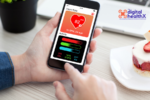

Wearable health technology has evolved far beyond simple fitness tracking. Today, smartwatches, fitness bands, biosensors, smart rings, and connected medical devices are becoming essential components of modern healthcare. By continuously monitoring health metrics and providing real-time insights, wearable technologies are empowering individuals to take a more active role in managing their wellbeing while enabling healthcare providers to deliver more proactive and personalised care. As digital health continues to advance, smart wearables are emerging as the new front door to healthcare.
The widespread adoption of wearable technology reflects a growing shift towards preventive and patient-centred healthcare. Rather than seeking medical attention only after symptoms appear, individuals can now monitor their health daily through connected devices. Modern wearables track a wide range of physiological parameters, including heart rate, physical activity, sleep quality, blood oxygen saturation, skin temperature, stress levels, and in some cases, electrocardiogram readings. These continuous measurements provide valuable insights into overall health and help users identify changes that may require medical attention.
One of the greatest strengths of wearable health technology is its ability to support early detection of potential health issues. Continuous monitoring allows abnormal trends to be identified before they develop into more serious conditions. Irregular heart rhythms, persistent elevations in resting heart rate, declining physical activity, or disrupted sleep patterns can serve as early indicators of underlying health concerns. By recognising these changes sooner, patients can seek timely medical advice, improving the chances of early diagnosis and intervention.
Wearable devices are also transforming the management of chronic diseases. Individuals living with diabetes, hypertension, cardiovascular disease, respiratory disorders, and other long-term conditions can benefit from continuous monitoring outside traditional healthcare settings. Data collected through wearable devices can be securely shared with healthcare providers, enabling clinicians to monitor treatment effectiveness, identify emerging risks, and make more informed clinical decisions. This continuous flow of information strengthens patient engagement while reducing the need for unnecessary in-person visits.
Artificial Intelligence is significantly enhancing the value of wearable health technology. AI-powered algorithms can analyse large volumes of health data collected over time, identify meaningful patterns, and generate personalised health insights. Instead of simply displaying raw measurements, modern wearable platforms can provide recommendations related to physical activity, sleep improvement, stress management, recovery, and overall wellness. These personalised insights encourage healthier behaviours and help individuals make informed lifestyle decisions.
The integration of wearable devices with digital health applications, remote patient monitoring platforms, and electronic health records is creating a more connected healthcare ecosystem. Healthcare providers can access longitudinal patient data that extends beyond occasional clinic visits, offering a more comprehensive view of an individual’s health. This supports proactive care planning, strengthens care coordination, and enables earlier clinical interventions when health conditions begin to change.
Smart wearables are also playing an increasingly important role in population health and clinical research. With appropriate patient consent, anonymised data collected from wearable devices can help researchers better understand disease progression, treatment outcomes, and lifestyle factors affecting health. These insights support the development of more effective healthcare strategies while accelerating innovation in personalised medicine and preventive care.
Despite their growing capabilities, wearable technologies also present challenges. Ensuring data accuracy, protecting patient privacy, maintaining cybersecurity, and achieving interoperability between devices and healthcare systems remain essential priorities. Healthcare organisations must also establish clear regulatory and clinical governance frameworks to ensure wearable-generated data is used responsibly and effectively in patient care.
The future of wearable health technology extends beyond monitoring individual health metrics. Advances in sensor technology, Artificial Intelligence, and connected healthcare platforms are enabling wearables to become intelligent health companions that continuously support prevention, early detection, chronic disease management, and personalised wellness. As these technologies become more sophisticated and widely adopted, smart wearables will continue to strengthen the connection between patients and healthcare providers, making healthcare more accessible, data-driven, and patient centred than ever before.